In the fascinating world of the automotive industry, every car represents the result of an intricate process that goes from the initial idea to its assembly on the production line. Behind every sparkling exterior and roaring engine lie years of research, development, and technological innovation. In this article, we will explore the behind-the-scenes of the car manufacturing process, highlighting the technologies and practices used by car manufacturers. 1. Ideation and Design Every new car model originates from an idea, from a concept born in the minds of automotive designers and engineers. This initial phase is crucial and involves a wide range of professionals, from the creative minds of designers to engineers specialized in aerodynamics and safety. Thanks to the advancement of CAD (Computer-Aided Design) technology, today designers can transform their ideas into three-dimensional digital models with an unprecedented level of precision and detail. These digital models allow for the evaluation and optimization of every aspect of the vehicle, from aerodynamic performance to passenger safety, even before creating a physical prototype. 2. Prototyping and Testing Once the design process is complete, the prototyping and testing phase begins. In this phase, the first physical examples of the vehicle are made, which are then subjected to a series of rigorous tests to assess their performance, safety, and reliability. Modern automotive prototypes are equipped with a wide range of sensors and instruments to collect real-time data during road and track tests. This data is then analyzed by technicians and engineers to identify any problems or areas for improvement. 3. Production and Assembly Line Once the design and testing phases are completed, the vehicle is finally ready for mass production. This phase involves a highly coordinated and automated process that takes place inside automotive factories. The assembly line is the beating heart of automotive production, where every single component is assembled to create the finished vehicle. Modern assembly lines are highly robotized and use cutting-edge technologies such as artificial vision and collaborative robotics to improve the efficiency and precision of assembly. 4. Quality Control and Finishing Once the vehicle assembly is complete, it undergoes a series of quality checks to ensure it meets the highest standards in terms of safety, performance, and quality. These checks may include crash tests, durability and resistance tests, and thorough visual inspections. Once the quality checks are passed, the vehicle undergoes a final finishing phase, where the last aesthetic and functional details are applied. This phase includes operations such as painting, interior installation, and the application of the car brand's marks and logos. Conclusion The car manufacturing process is a work of art in engineering and technology, combining human ingenuity with the power of machines. From the initial idea to the assembly line, every phase of the process requires careful planning, continuous innovation, and a commitment to quality and excellence. Through the use of cutting-edge technologies and advanced manufacturing practices, car manufacturers continue to redefine the limits of what is possible in the automotive industry, creating vehicles that not only meet but exceed the expectations of consumers around the world.
SOCIAL
EMAIL
WHERE WE ARE

Via Francesco Petrarca, 27
Paternò, (CT)
95047
Italy
Copyright © 2025 Mya Motors s.r.l. All rights reserved.
Exploring the Fascination of Automotive Manufacturing: From Conception to the Assembly Line
Exploring the Fascination of Automotive Manufacturing: From Conception to the Assembly Line
2024-05-01 10:22
2024-05-01 10:22
Array() no author 92911
Automobile technology, produzione-automobilistica-tecnologie-automobilistiche-catena-di-montaggio-ingegneria-automobilistic,
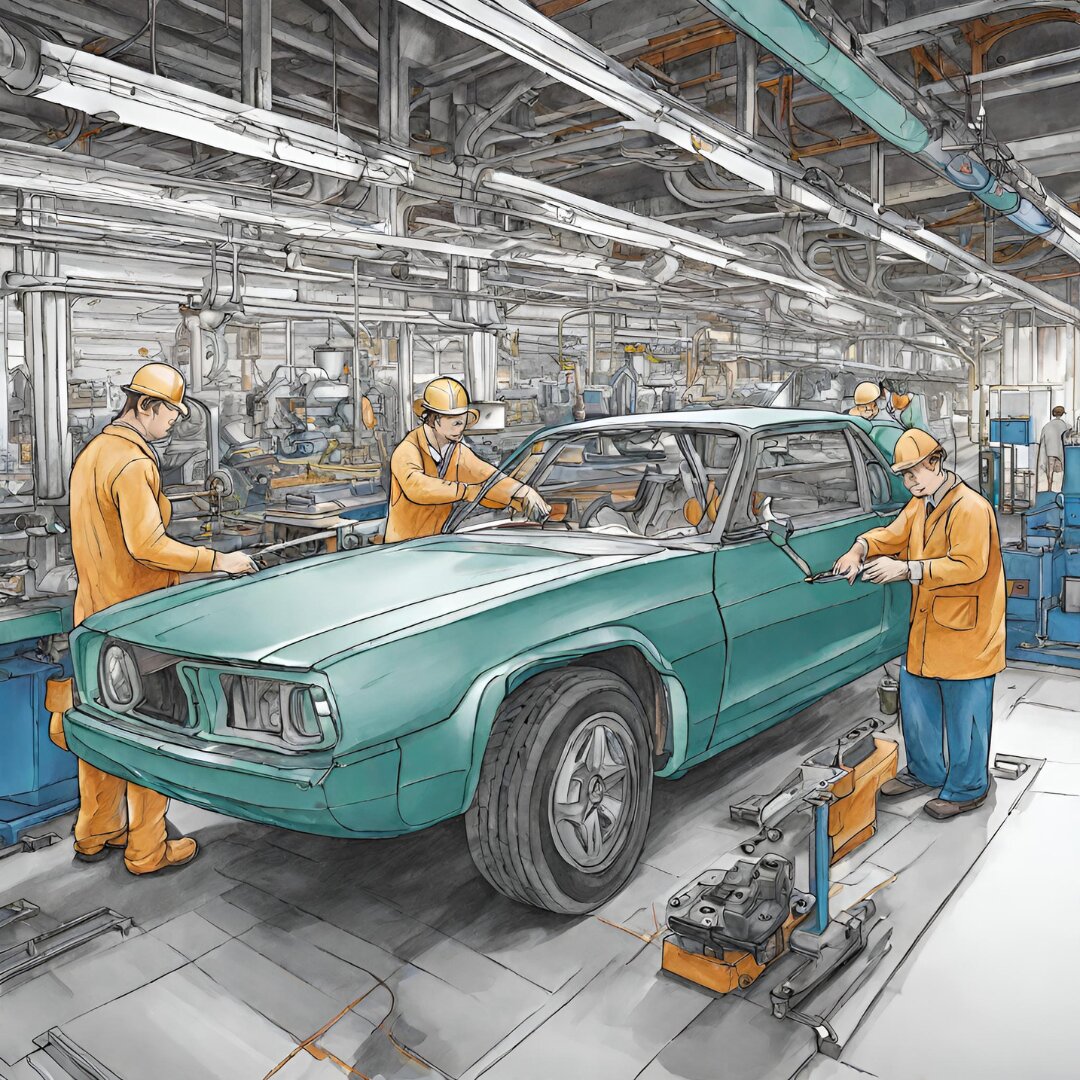
Discover the intricate process of car manufacturing, from conception to the assembly line, unveiling the technologies and practices that make this possible
SOCIAL
EMAIL
WHERE WE ARE
Via Francesco Petrarca, 27
Paternò, (CT)
95047
Italy
Copyright © 2025 Mya Motors s.r.l. All rights reserved.