In the global landscape of automotive design, few countries boast a history as rich and influential as Germany. The reputation of German design has been shaped by a unique combination of artisanal tradition, technological innovation, and a deep understanding of aesthetics. At the heart of this tradition are the principles of the Bauhaus movement, which have influenced not only architecture and industrial design but also the automotive sector. In this article, we will explore the connection between German automotive design, Bauhaus principles, and prestigious automotive brands such as BMW, Mercedes-Benz, and Volkswagen. Bauhaus and the Principles of Design Born in Germany in the 1920s, the Bauhaus movement revolutionized the very concept of design. Its founders, including Walter Gropius and Ludwig Mies van der Rohe, embraced the idea of uniting art and technology to create objects that are both functional and aesthetically pleasing. The key principles of Bauhaus include form following function, the use of industrial materials, and simplicity in aesthetics. These principles found fertile ground in the German automotive sector, where engineering and design merge into a single entity. German cars are celebrated for their timeless elegance and exceptional performance, characteristics that echo the principles of Bauhaus. BMW: Driven by the Passion for Driving Among the most iconic German automotive brands, BMW stands out for its combination of sporty performance and refined design. Founded in 1916 as an aircraft engine manufacturer, BMW transferred its precision engineering to the automotive world with vehicles that embody the essence of driving pleasure. The design of BMW cars is characterized by clean lines, balanced proportions, and a sense of dynamism even when standing still. These aesthetic traits reflect the Bauhaus principle of simplicity and effectiveness. Mercedes-Benz: The Art of Elegance and Prestige Mercedes-Benz represents the pinnacle of luxury and elegance in automotive design. Founded in 1926, the company has set new standards in the sector with cars that embody opulence and technical perfection. Mercedes-Benz vehicles are renowned for their craftsmanship, luxurious interiors, and flowing lines that give them a regal appearance. This refined style is reflected in the principles of Bauhaus through attention to detail and harmony of forms. Volkswagen: Accessible Design for Everyone Born from a German government initiative in the 1930s, Volkswagen revolutionized the concept of accessible mobility for the masses. The famous Beetle, designed by Ferdinand Porsche, became an icon of automotive design, with its simple and functional shape making it instantly recognizable worldwide. Even though Volkswagen does not boast the prestige of brands like BMW and Mercedes-Benz, its approach to democratic and functional design aligns perfectly with the principles of Bauhaus. Conclusions German automotive design represents a unique fusion of advanced engineering, refined aesthetics, and technological innovation. The principles of Bauhaus have profoundly influenced this tradition, helping to create iconic cars that embody the essence of driving pleasure, luxury, and accessibility. Brands such as BMW, Mercedes-Benz, and Volkswagen continue to inspire and guide the evolution of automotive design, keeping the rich heritage of German design alive.
SOCIAL
EMAIL
WHERE WE ARE

Via Francesco Petrarca, 27
Paternò, (CT)
95047
Italy
Copyright © 2025 Mya Motors s.r.l. All rights reserved.
Icons of German Design: Exploring Automotive Design between Bauhaus and Prestigious Car Manufacturers
Icons of German Design: Exploring Automotive Design between Bauhaus and Prestigious Car Manufacturers
2024-03-27 08:08
2024-03-27 08:08
Array() no author 92911
Design and Style, design-tedesco-bauhaus-bmw-mercedes-benz-volkswagen,
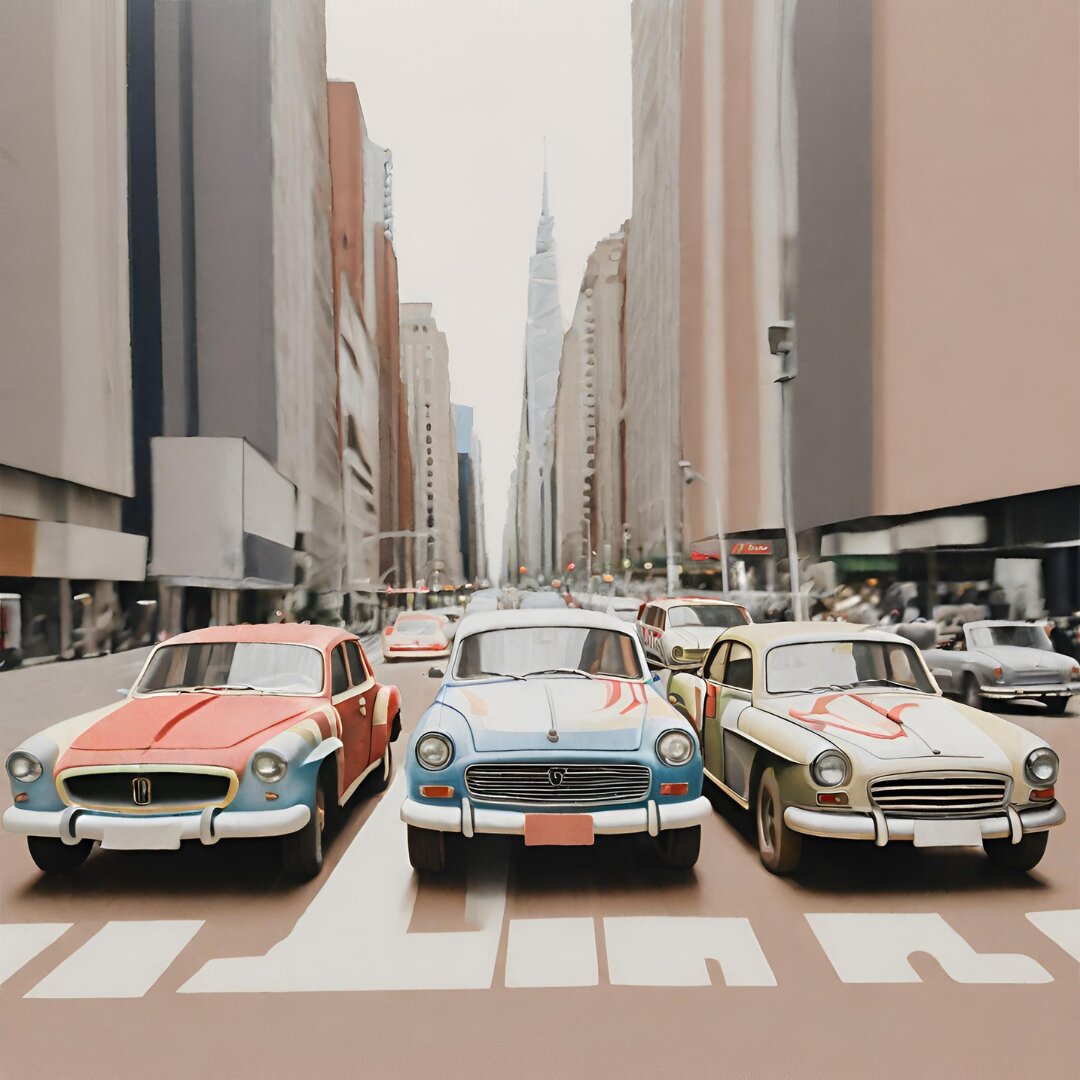
Explore the connection between the Bauhaus movement and German automotive design through brands such as BMW, Mercedes-Benz, and Volkswagen.
SOCIAL
EMAIL
WHERE WE ARE
Via Francesco Petrarca, 27
Paternò, (CT)
95047
Italy
Copyright © 2025 Mya Motors s.r.l. All rights reserved.